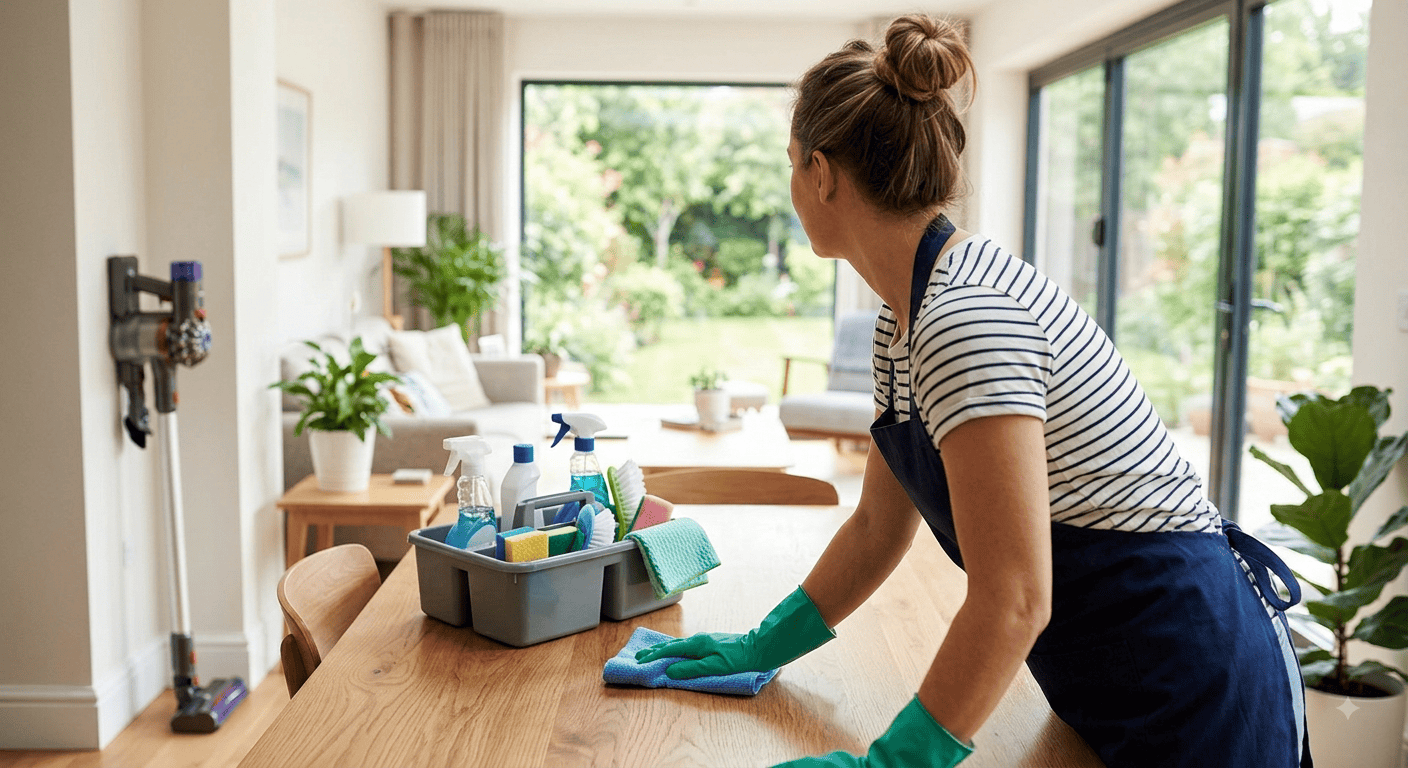
Keeping a home clean is about more than making rooms look neat. A clean home creates a more comfortable, organized, and welcoming environment for everyone who lives there. However, cleaning can quickly become overwhelming when there is no proper routine or when tasks are handled randomly.
The key to maintaining a consistently clean home is efficient home cleaning. Instead of spending hours cleaning everything at once, an efficient approach focuses on planning, prioritizing, using the right techniques, and creating simple routines that are easy to maintain.
Whether you have a busy work schedule, a large family, pets, or simply want a better way to manage household cleaning, the right strategy can save time and effort while delivering better results.
In this comprehensive guide, we will explore practical home cleaning techniques, room-by-room strategies, useful routines, and simple habits that can make cleaning easier and more efficient.
Efficient home cleaning means achieving better cleaning results with less wasted time, energy, and effort.
It does not necessarily mean cleaning faster. Instead, it means cleaning smarter.
An efficient cleaning routine usually involves:
When these habits become part of your routine, cleaning becomes much more manageable.
One of the biggest mistakes people make is waiting until the entire house becomes dirty before starting to clean.
This can turn a simple task into an exhausting project.
A consistent cleaning routine prevents dirt, dust, stains, and clutter from accumulating. Instead of spending an entire weekend cleaning, you can divide responsibilities into smaller tasks throughout the week.
For example, a simple routine could include:
Daily:
Kitchen surfaces, dishes, clutter, bathroom touch-ups, and quick floor cleaning.
Weekly:
Dusting, vacuuming, mopping, bathroom cleaning, changing bedding, and kitchen deep cleaning.
Monthly:
Windows, baseboards, appliances, cabinets, upholstery, and other less frequently cleaned areas.
The exact schedule can be adjusted according to your lifestyle and the size of your home.
Before using a vacuum, mop, or cleaning solution, remove unnecessary items from the area.
Decluttering makes cleaning significantly easier because you are not constantly moving objects around.
Start by:
A clutter-free room is easier to clean and generally feels cleaner even before the actual cleaning begins.
This is particularly important in kitchens, living rooms, bedrooms, and home offices where objects can quickly accumulate.
One of the simplest ways to improve your cleaning efficiency is to work from top to bottom.
Dust and debris naturally fall downward. If you clean the floor first and then dust shelves, furniture, or ceiling fixtures, you may have to clean the floor again.
A better sequence is:
Ceiling and fixtures → shelves and furniture → countertops → lower surfaces → floors
This principle can be applied throughout your home.
For example, when cleaning a bedroom, dust ceiling fans and high surfaces first, then clean furniture, mirrors, and other surfaces before vacuuming or mopping the floor.
This small change can save considerable time.
Trying to clean the entire house simultaneously can feel overwhelming. A room-by-room approach provides a clear sense of progress.
The living room is often one of the most frequently used spaces in a home.
Start by removing clutter and organizing books, toys, electronics, and other items. Dust shelves, tables, lamps, and decorative objects. Clean mirrors and glass surfaces before vacuuming sofas and floors.
Pay attention to areas that are often overlooked, including:
Regular attention to these small areas can make a noticeable difference.
The kitchen requires special attention because it combines food preparation, moisture, grease, and frequent foot traffic.
Begin by clearing countertops and washing dishes. Wipe countertops, cabinet handles, appliances, and other frequently touched surfaces.
Clean the stovetop regularly to prevent grease buildup. The refrigerator should also be checked periodically for expired food and spills.
Do not forget areas such as:
A clean kitchen is not only more attractive but also supports better household hygiene.
Bathrooms should be cleaned regularly because moisture and frequent use can contribute to unpleasant odors, soap buildup, and stains.
Clean the toilet, sink, shower, bathtub, mirrors, and floor.
Pay special attention to high-touch areas such as faucets, handles, and light switches.
Keeping the bathroom ventilated can also help reduce excess moisture. After showers, allowing surfaces to dry properly can help minimize buildup over time.
A clean bedroom contributes to a comfortable and relaxing environment.
Begin by making the bed and removing clutter. Dust furniture and other surfaces before vacuuming or mopping the floor.
Bedding should be changed regularly, and mattresses can be vacuumed periodically to remove accumulated dust.
Also consider cleaning:
Efficient home cleaning becomes much easier when you have the right tools available.
A basic cleaning kit may include:
Microfiber cloths are particularly useful because they can effectively capture dust and dirt without leaving excessive lint behind.
Keeping your cleaning supplies organized in one accessible location can also prevent unnecessary trips around the house.
More cleaning solution does not necessarily mean better cleaning.
Using excessive amounts of a product can leave residue on surfaces and may make cleaning more difficult.
Always follow the product's instructions and use the appropriate amount for the surface being cleaned.
It is also important never to mix cleaning chemicals unless the manufacturer specifically states that they are compatible. Some chemical combinations can create dangerous fumes.
When cleaning, ventilation is equally important. Open windows or doors when appropriate and follow safety instructions on product labels.
Some surfaces deserve more frequent attention because they are touched repeatedly throughout the day.
Examples include:
Including these areas in your regular routine can help maintain a cleaner living environment.
Floors often collect dust, dirt, hair, and debris faster than other areas of the home.
Before vacuuming, remove larger objects from the floor. Move lightweight furniture when necessary so you can reach underneath and around it.
Vacuum high-traffic areas more frequently than rooms that receive little use.
When mopping, avoid soaking floors unnecessarily. Excess moisture can damage certain flooring materials and may leave streaks or residue.
Different flooring types also require different cleaning methods. Hardwood, tile, laminate, vinyl, and natural stone should not automatically be treated in the same way.
Always consider the manufacturer's care recommendations.
You do not always need hours to keep your home under control.
A simple 15-minute daily cleaning session can prevent small messes from becoming large ones.
You could spend a few minutes:
The goal is not perfection. The goal is consistency.
Small daily actions can significantly reduce the amount of deep cleaning required later.
Routine cleaning keeps your home maintained, but occasional deep cleaning is still necessary.
Deep cleaning may include tasks such as:
You can create a monthly or seasonal deep-cleaning checklist and divide the tasks across several days.
There is no need to complete everything in one session.
Even with a regular routine, certain mistakes can make cleaning less effective.
Moving randomly from one task to another wastes time. A simple sequence helps you stay focused.
A room may look clean while high-touch surfaces remain neglected. Include handles, switches, and other frequently touched areas in your routine.
Different areas may require different cloths or cleaning tools. Keeping separate cloths for kitchens, bathrooms, and general surfaces can help maintain better hygiene.
Dust and dirt can accumulate under furniture, behind appliances, and in corners. These areas should be included in periodic cleaning.
Large cleaning projects can become exhausting. Breaking tasks into smaller sessions is often more sustainable.
Sometimes regular household cleaning is not enough. Busy schedules, large properties, special events, renovations, or extensive buildup may require professional assistance.
Professional cleaning services can provide specialized equipment, trained staff, systematic cleaning procedures, and customized cleaning plans.
For properties that require a higher level of attention, professional cleaning can also be useful for tasks such as deep cleaning, floor care, carpet cleaning, post-renovation cleaning, and other specialized requirements.
The right approach depends on the property's size, usage, cleaning frequency, and specific needs.
The best cleaning routine is one that you can actually maintain.
Instead of creating an unrealistic schedule, consider your daily lifestyle and divide tasks accordingly.
A practical approach might look like this:
Every day:
Quick tidying, dishes, kitchen surfaces, bathroom touch-ups, and clutter removal.
Once or twice a week:
Vacuuming, mopping, dusting, bathroom cleaning, and changing bedding.
Every few weeks:
Appliance cleaning, detailed dusting, and less frequently used areas.
Monthly or seasonally:
Windows, carpets, upholstery, cabinets, baseboards, and deeper cleaning tasks.
You can adjust this schedule depending on household size, pets, children, allergies, and how frequently each room is used.
High-use areas such as kitchens and bathrooms generally need frequent cleaning, while less-used areas may require attention less often. A combination of daily maintenance, weekly cleaning, and periodic deep cleaning works well for most households.
Start by decluttering, then work systematically from top to bottom and room by room. Having your cleaning supplies ready before you begin can also save time.
Yes. Short daily cleaning sessions can prevent dirt and clutter from accumulating and reduce the need for exhausting deep-cleaning sessions.
Deep cleaning can be performed monthly, seasonally, or whenever specific areas require extra attention. High-traffic homes may benefit from more frequent deep cleaning.
Professional cleaning can be useful when you have limited time, need specialized cleaning, are preparing a property for use, or require a deeper level of cleaning than routine maintenance provides.
Efficient home cleaning is not about spending every free hour with a mop or vacuum. It is about developing a practical system that makes cleaning easier, faster, and more consistent.
Start by decluttering your space, follow a top-to-bottom approach, clean one room at a time, focus on high-touch surfaces, and establish simple daily and weekly routines. With consistent maintenance, even a busy household can stay fresh, organized, and comfortable.
For more demanding cleaning needs, professional cleaning services can provide the expertise, equipment, and customized approach required to achieve a higher standard of cleanliness.
At Gleam Precision Group, we understand that cleanliness is about more than appearance. A well-maintained environment creates a better experience for the people who live, work, and spend time in it. Whether the requirement involves routine maintenance, deep cleaning, specialized floor care, or detailed cleaning after a renovation or construction project, a professional approach can make a meaningful difference.
A clean space starts with the right process—and the most effective process is one built around consistency, attention to detail, and precision.